 Skip to content
Starting a frozen fries factory in Europe requires more than just buying equipment — it involves compliance, production planning, and choosing the right processing capacity.
Below is a practical buyer guide answering the most common questions European investors search before purchasing a frozen French fries production line.
How Much Does a Frozen French Fries Line Cost?
Short Answer:
-
Small line: $30,000 – $80,000
-
Medium line: $80,000 – $200,000
-
Industrial line: $200,000 – $500,000+
Why Prices Vary
The price mainly depends on:
-
Production capacity
-
Automation level
-
Freezing technology (IQF vs tunnel freezer)
-
Oil filtration system
-
CE safety configuration
-
Stainless steel grade (SUS304 vs SUS316)
Factories targeting supermarkets usually need higher automation and freezing performance than foodservice suppliers.
What Machines Are Needed for Frozen French Fries Production?
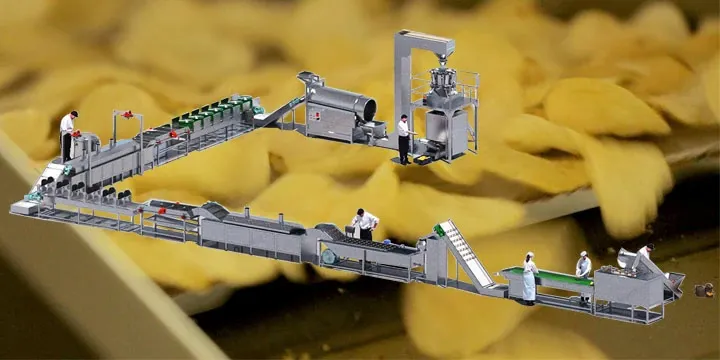
A frozen fries factory uses a continuous processing system.
Standard Processing Line
-
Potato washing & peeling
-
Cutting machine
-
Blanching machine
-
Dewatering & drying
-
Continuous fryer (optional)
-
IQF freezer
-
Automatic packaging machine
The configuration can be adjusted for straight-cut, crinkle-cut, or steak fries.
Do Frozen Fries Machines Need CE Certification in Europe?
Yes — CE compliance is mandatory.
Without CE documentation, equipment cannot legally operate in EU food factories.
Required Standards
-
CE certification
-
HACCP hygienic design
-
Food-grade stainless steel
-
Emergency safety systems
-
EU electrical compatibility (380–415V / 50Hz)
Buyers should always request the Declaration of Conformity before purchase.
What Capacity Should a New Factory Choose?
| Factory Stage | Recommended Capacity |
|---|---|
| Startup / Pilot | 200–500 kg/h |
| Local Brand | 500–1000 kg/h |
| Export Supplier | 1000–3000 kg/h |
Choosing oversized equipment often increases energy cost without improving profitability.
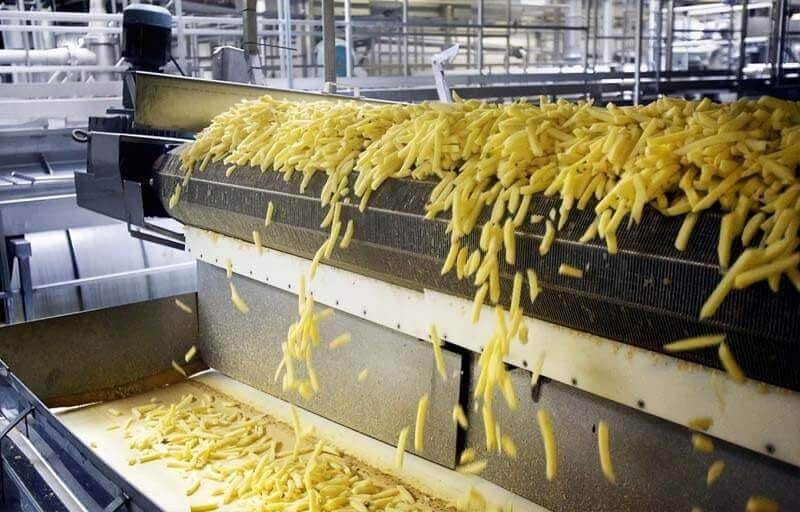
How Does the Frozen French Fries Production Process Work?
1️⃣ Cleaning & peeling remove dirt and skin
2️⃣ Cutting ensures uniform size
3️⃣ Blanching stabilizes color
4️⃣ Drying improves frying efficiency
5️⃣ Frying creates texture
6️⃣ Freezing preserves taste
7️⃣ Packaging prepares retail distribution
Each step directly affects product quality and shelf life.
Is Importing Equipment Cheaper Than Buying in Europe?
Usually yes.
Many European processors import equipment because:
-
Lower investment cost
-
Customizable layouts
-
Faster delivery
However, buyers must confirm CE compliance and technical support availability.
What Should You Check Before Choosing a Supplier?
-
EU export experience
-
Real project references
-
CE documentation
-
Installation support
-
Spare parts availability
The supplier should provide long-term technical cooperation, not just sell machinery.
What Are the Future Trends in Frozen Fries Processing?
European factories are upgrading toward:
-
Energy-saving fryers
-
Low oil absorption technology
-
Smart PLC control
-
Sustainable production systems
New equipment is designed to reduce labor and operating cost.
Final Advice
Purchasing a frozen French fries processing line is not just a machine investment — it is a production strategy decision.
Choosing the correct capacity, ensuring EU compliance, and working with an experienced manufacturer will determine whether the factory operates profitably for the next 10+ years.
