 Skip to content
Potato chips are made from potatoes, so the quality of the raw material directly affects the final product. During storage, potatoes sometimes develop a green color. Understanding why this happens is important for both food safety and product quality.
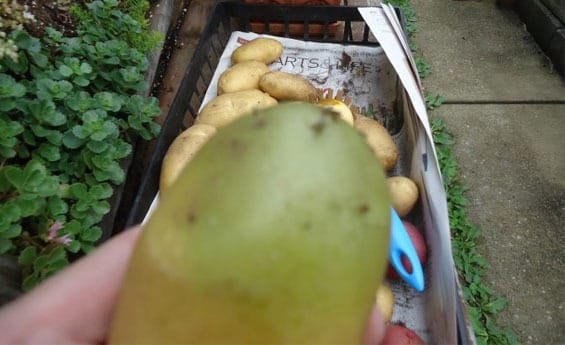
Why Potatoes Turn Green
The green color itself is not the real problem — it is only a warning sign.
When potatoes are exposed to light:
-
Chlorophyll forms → creates green color
-
Glycoalkaloids increase → especially solanine
Chlorophyll is harmless, but the associated rise in solanine is a safety concern.
Potatoes naturally produce glycoalkaloids as a defense against insects, animals, and fungi. Light exposure accelerates this process, sometimes causing green areas up to 1/2 inch deep.
Potato chips made from these potatoes may show green edges and a bitter taste.
Are Green Potatoes Safe to Eat?
Solanine is toxic and cannot be destroyed by frying or cooking.
Eating green potatoes may cause symptoms within 8–12 hours:
-
Stomach pain
-
Vomiting
-
Diarrhea
-
Fever
-
Headache
-
Low body temperature
Severe cases may include:
-
Vision problems
-
Loss of sensation
-
Paralysis
Extremely high intake can be dangerous. Pregnant women should avoid green potatoes because solanine may harm fetal development.
How to Store Potatoes to Prevent Greening
Proper storage prevents chlorophyll formation and solanine buildup.
Storage Rules
Do not wash potatoes before storage
-
Soil protects them from light exposure
-
Washed potatoes turn green faster
Store in a cool, dark, ventilated place
-
Avoid sunlight and indoor lighting
-
Prevent heat buildup
-
Maintain airflow
Keep them dry
-
Moisture encourages spoilage and quality loss
Correct storage ensures better raw materials and improves chip quality during processing.
Why Storage Matters for Chip Production
Using properly stored potatoes helps:
-
Maintain natural color
-
Avoid bitterness
-
Improve frying consistency
-
Enhance final product safety
Poor storage directly affects the appearance and flavor of finished potato chips.
Conclusion
Green potatoes are not just a cosmetic issue — they signal increased solanine, a toxic compound that cooking cannot remove. Preventing light exposure during storage is the key to safe, high-quality potatoes.
Good storage practices protect both consumer health and the final quality of potato chip products.
