 Skip to content
Starting a French fries production business can be highly profitable as global demand for frozen and ready-to-cook potato products continues to grow.
Success depends on planning, quality control, and choosing the right production process and equipment.
Below is a clear, step-by-step guide covering everything from research to distribution.
1. Conduct Market Research
Before investing, understand your target market.
Focus on:
-
Consumer taste preferences (thin, crinkle-cut, wedges, seasoned)
-
Demand volume (retail vs foodservice)
-
Competitor pricing and positioning
-
Industry growth trends
This helps determine:
-
Product type
-
Brand positioning
-
Entry strategy
2. Create a Detailed Business Plan
A structured plan reduces risk and improves investment decisions.
Include:
Cost budget
-
Raw materials (potatoes)
-
French fries processing equipment
-
Factory rent & utilities
-
Labor and packaging
Operational planning
-
Production capacity
-
Profit margins
-
Marketing strategy
-
Risk analysis & solutions
3. Select Location & Build the Factory
Choose a site that supports efficient production and distribution.
Key considerations:
-
Close to potato supply sources
-
Transportation access
-
Labor availability
-
Environmental compliance
-
Food safety zoning requirements
Design the facility according to food safety standards and clean production workflow.
4. Purchase Equipment & Raw Materials
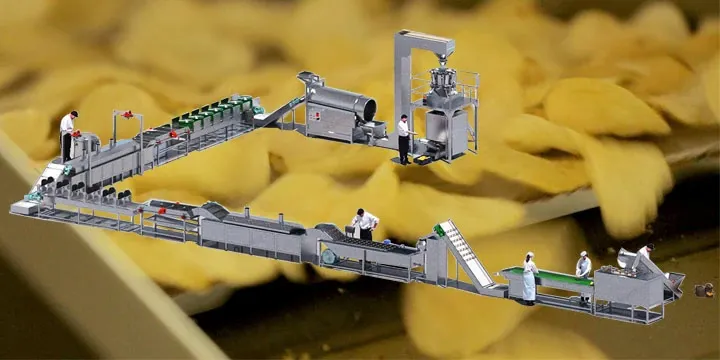
A standard French fries production line typically includes:
-
Washing & peeling machine
-
Cutting machine
-
Blanching machine
-
Frying machine
-
De-oiling system
-
Freezing equipment
-
Packaging machine
Ensure stable supply of high-quality fresh potatoes — raw material quality directly affects taste, color, and yield.
5. Product Development & Trial Production
Develop products based on customer demand:
-
Straight cut
-
Crinkle cut
-
Wedges
-
Seasoned varieties
Conduct pilot production to:
-
Adjust frying temperature
-
Optimize blanching time
-
Improve texture and flavor
-
Stabilize product quality
6. Obtain Licenses & Certifications
Legal compliance is essential in food manufacturing.
Typical requirements:
-
Business license
-
Food production permit
-
Health inspection approval
Recommended certifications:
-
HACCP
-
ISO food safety system
These increase trust and enable large-scale distribution.
7. Build a Marketing Strategy
Use both online and offline sales channels.
Online channels
-
Social media marketing
-
E-commerce platforms
-
Brand website
Offline channels
-
Supermarkets
-
Restaurants & fast-food chains
-
Food distributors & wholesalers
Attractive packaging and branding significantly improve product recognition.
8. Establish Distribution & Cold Chain Logistics
Frozen French fries require temperature-controlled transportation.
Important elements:
-
Cold storage warehouse
-
Refrigerated transport
-
Fast delivery routes
-
Distributor partnerships
A reliable logistics system ensures product quality and shelf life.
9. Implement Quality Control
Maintain consistent standards through:
-
Raw material inspection
-
Regular product testing
-
Process monitoring
-
Customer feedback collection
Continuous improvement increases customer retention and brand reputation.
10. Legal & Financial Management
Operate the business sustainably by managing:
-
Regulatory compliance
-
Tax planning
-
Cost control
-
ROI evaluation
Professional accounting and legal consultation is strongly recommended.
French Fries Production Line for Startups
Every stage — from research to distribution — requires careful execution.
Working with experienced equipment suppliers or food industry consultants can reduce startup risks and shorten the learning curve.
Conclusion
Launching a French fries manufacturing business involves more than just buying equipment. It requires market insight, proper factory planning, reliable raw materials, and a strong distribution network.
With a structured plan and strict quality control, you can build a scalable and profitable frozen potato products brand in the growing snack industry.
