 Skip to content
Whether you produce potato chips, French fries, or frozen potato products, selecting the right industrial potato processing equipment directly impacts yield, efficiency, and profitability.
The challenge is not just buying machinery — it’s choosing equipment that:
-
Reduces waste
-
Minimizes water usage
-
Handles potatoes gently
-
Operates continuously
-
Meets sanitation standards
-
Fits your plant layout
This guide breaks down the key factors processors must evaluate before investing in a potato processing system.
Why Equipment Selection Matters
Industrial potato processing is a high-volume, margin-sensitive operation. Poorly designed machinery can lead to:
-
Excessive water and energy costs
-
Product breakage and yield loss
-
Increased downtime
-
Food safety risks
-
Higher long-term maintenance expenses
Choosing optimized equipment ensures higher output, lower operating costs, and consistent product quality.
1. Water Usage & Wastewater Reduction
Water consumption is one of the largest hidden costs in potato processing facilities. Peeling, washing, and cutting systems require substantial water flow, which increases both utility and wastewater treatment expenses.
Modern solutions from Hanhui focus on water conservation technologies.
Key Water-Saving Features
-
Waste separating augers
-
Water reclamation systems
-
Starch separation technology
-
Closed-loop circulation systems
For example, advanced peeling systems can reduce water usage by up to 90% by separating solids before treatment.
Hydrocutting systems may use a cyclone-style return line to remove denser starch water efficiently, reducing total discharge volume.
2. Gentle Product Handling
Potatoes are more delicate than they appear. Improper handling can cause:
-
Bruising
-
Scuffing
-
Breakage
-
Skin loss
-
Yield reduction
High-quality industrial potato processing equipment must be engineered for minimal mechanical stress.
What to Look For
-
Smooth transfer points
-
Controlled feed rates
-
Even product flow
-
First-in, first-out (FIFO) bulk bin systems
A FIFO conveyor system prevents potatoes from sitting at the bottom of bins, reducing spoilage and waste.
3. Continuous Operation Capability
Large-scale processors often run 24/7. Equipment must support continuous production cycles without performance degradation.
Benefits of Continuous Operation Systems
-
Higher throughput
-
Reduced holding time
-
Smaller storage footprint
-
Improved line consistency
Even Feeders, for example, help maintain steady product flow, improving peeling and cutting consistency across shifts.
4. Ease of Cleaning & Sanitation
Sanitation directly affects food safety compliance, brand reputation, and operational uptime.
Equipment should:
-
Allow tool-less disassembly
-
Minimize harborage points
-
Support full washdown capability
-
Withstand cleaning chemicals
Machines with complex internal components that cannot be sprayed down increase downtime and sanitation labor costs.
Stainless Steel Selection
Many manufacturers use:
-
304 stainless steel (standard food processing environments)
-
316 stainless steel (harsh, corrosive environments)
316 stainless offers higher corrosion resistance in environments with salt, brine, or chemical exposure.
During engineering design, eliminating bacteria-harboring zones is critical for long-term sanitation performance.
5. Flexible & Custom Configuration
Every processing plant has unique:
-
Space constraints
-
Line layouts
-
Seasonal production changes
-
Shift-based capacity variations
Industrial potato processing systems should be adaptable.
Important Flexibility Features
-
Adjustable discharge gates
-
Modular equipment design
-
Custom footprint configurations
-
Adjustable peel levels
This ensures the equipment grows with your production demands.
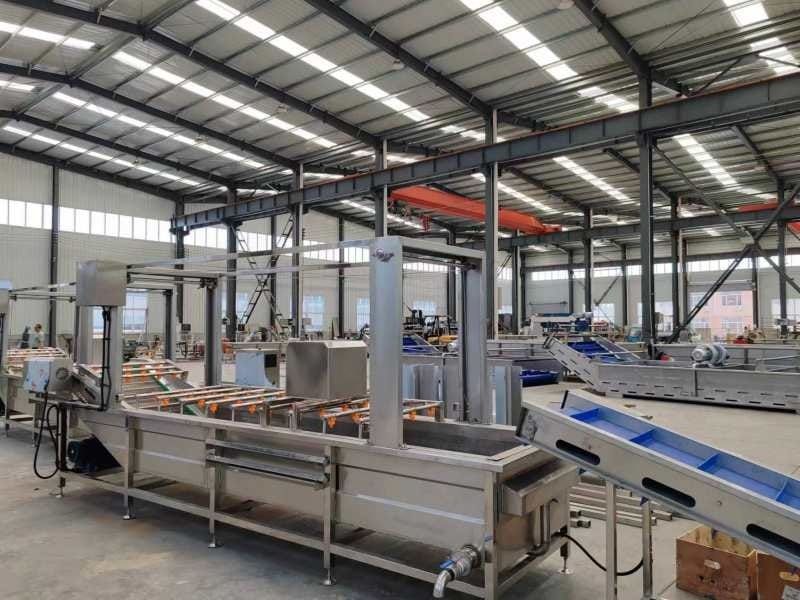
6. Durability & Long-Term Performance
Industrial equipment must operate for decades under demanding conditions.
Look for:
-
Heavy-duty stainless steel construction
-
Minimal moving parts
-
Reinforced structural design
-
Corrosion-resistant materials
Durable machines reduce lifecycle cost and ensure consistent output even during high-volume production cycles.
7. Low Maintenance Requirements
Some equipment — particularly industrial potato peelers — requires routine part replacement, such as roll changes.
When evaluating maintenance:
-
How easy are part replacements?
-
How long does downtime last?
-
How frequent are required inspections?
-
Are parts easily accessible?
Large-scale processors cannot afford extended downtime. Equipment should be designed for fast changeovers and predictable maintenance schedules.
Key Takeaways Before Purchasing
When selecting industrial potato processing equipment, evaluate:
✔ Water efficiency
✔ Gentle handling capability
✔ Continuous operation design
✔ Sanitation compliance
✔ Flexible configuration
✔ Durable construction
✔ Low maintenance needs
Balancing these factors ensures improved yield, reduced waste, and optimized operational costs.
Conclusion
Choosing the right industrial potato processing equipment is a strategic investment — not just a machinery purchase.
Water efficiency, sanitation design, durability, and continuous operation capability directly affect profitability and long-term plant performance.
By selecting well-engineered, adaptable equipment, processors can increase production efficiency, protect product quality, and reduce overall operational costs.
In a competitive food processing market, the right system makes all the difference.
