 Skip to content
Reducing production costs in the potato chips industry is no longer optional—it’s essential for survival and growth in a highly competitive global market.
Whether you’re running a small-scale operation or a fully automated factory, optimizing your potato chips production line can significantly improve your profitability.
This comprehensive guide will walk you through proven, practical strategies to lower costs, improve efficiency, and maximize return on investment (ROI) in 2026 and beyond.
Why Cost Control Matters in Potato Chips Manufacturing
The potato chips market continues to grow, but so do operational costs, including:
- Raw materials (potatoes, oil, seasoning)
- Labor
- Energy consumption
- Equipment investment
- Logistics and packaging
Without proper cost control, profit margins shrink quickly.
👉 The goal is simple:
Produce more, waste less, and spend smarter.
1. Invest in a High-Efficiency Potato Chips Production Line
One of the most impactful ways to reduce costs is upgrading your equipment.
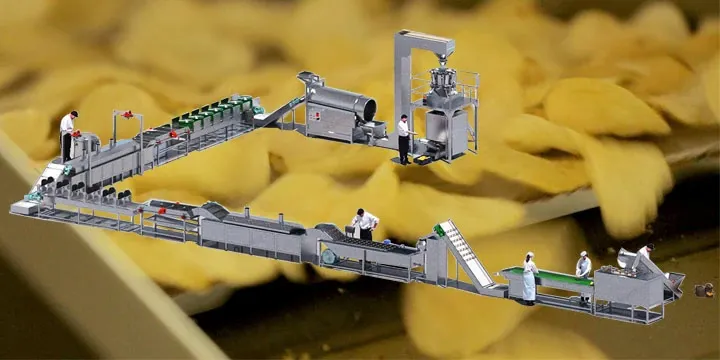
A modern automatic potato chips machine offers:
- Higher output per hour
- Reduced labor dependency
- Consistent product quality
- Lower long-term maintenance costs
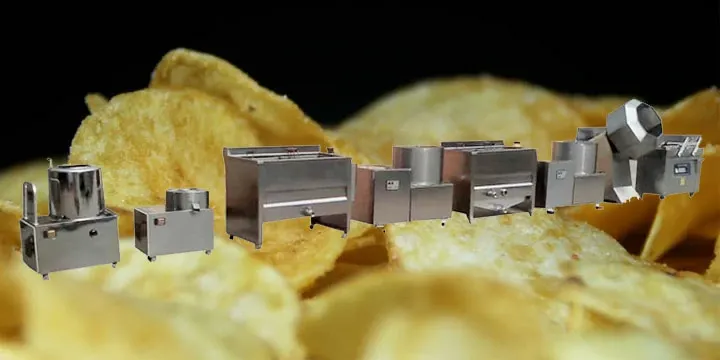
Although the initial potato chips machine cost may be higher, the long-term savings often outweigh the upfront investment.
Key Features to Look For:
- Energy-efficient frying systems
- Intelligent control systems
- Automated slicing and washing
- Oil filtration systems
2. Optimize Raw Material Usage
Raw materials account for a significant portion of production costs.
Smart Strategies:
- Use high-yield potato varieties
- Reduce peeling loss with efficient peelers
- Optimize slice thickness to minimize waste
- Standardize seasoning application
Even a small reduction in material waste can lead to substantial savings over time.
3. Reduce Production Waste
Waste reduction directly improves profitability.
Automation for Precision
Automation minimizes human error and ensures accurate processing.
Staff Training
Well-trained operators:
- Detect issues early
- Reduce machine misuse
- Improve overall efficiency
Waste Recycling Systems
- Convert potato waste into animal feed
- Recycle oil using filtration systems
- Reuse water where possible
4. Leverage Automation to Scale Efficiently
Automation is no longer a luxury—it’s a necessity.
Benefits:
- Increased production speed
- Lower labor costs
- Consistent product quality
For large-scale production, a fully automatic potato chips line can reduce labor costs by up to 60%.
5. Reduce Energy Consumption
Energy costs are one of the biggest hidden expenses.
Upgrade Heating Systems
Use:
- Heat recovery systems
- High-efficiency burners
- Thermal insulation
Use Energy-Efficient Motors
Modern motors consume less electricity and improve machine performance.
Monitor Energy Usage
Install monitoring systems to identify inefficiencies.
Buying in bulk reduces per-unit costs significantly.
Best Practices:
- Negotiate long-term contracts
- Purchase high-volume materials (oil, potatoes)
- Partner with reliable suppliers
Bulk purchasing also stabilizes your supply chain.
7. Negotiate Better Supplier Agreements
Supplier pricing has a major impact on production cost.
Tips:
- Compare multiple suppliers
- Build long-term relationships
- Negotiate based on volume
Strong supplier partnerships can unlock hidden savings.
8. Use Cost-Effective Marketing Channels
Marketing affects your cost per unit sold.
Free & Low-Cost Channels:
- Social media (Facebook, Instagram, TikTok)
- SEO content marketing
- B2B platforms
Increasing sales volume reduces your average production cost.
9. Improve Packaging Efficiency
Packaging is often overlooked but contributes significantly to cost.
Optimization Tips:
- Use lightweight materials
- Standardize packaging sizes
- Reduce material waste
Eco-friendly packaging can also enhance brand value.
10. Take Advantage of Tax Incentives
Governments often offer incentives for manufacturers.
Examples:
- Equipment depreciation
- Energy efficiency credits
- Export incentives
Consult a tax expert to maximize these benefits.
11. Choose the Right Production Capacity
Selecting the correct production scale is critical.
Common Capacities:
- Small scale: 50–100 kg/h
- Medium scale: 100–500 kg/h
- Large scale: 500+ kg/h
Choosing the right capacity ensures:
- Optimal investment
- Better ROI
- Reduced idle costs
12. Implement Continuous Process Optimization
Cost reduction is not a one-time task.
Ongoing Improvements:
- Monitor KPIs (waste rate, energy use, output)
- Upgrade outdated equipment
- Regular maintenance
Continuous optimization keeps your business competitive.
FAQ – Potato Chips Production Cost
Q1: How much does a potato chips production line cost?
A small-scale line can cost around $10,000–$30,000, while a fully automatic line can exceed $100,000 depending on capacity and features.
Q2: What is the biggest cost in potato chips production?
Raw materials (potatoes and oil) and energy consumption are typically the largest expenses.
Q3: Can automation really reduce costs?
Yes. Automation reduces labor costs, improves efficiency, and minimizes waste, leading to long-term savings.
Q4: How can I reduce oil consumption?
Use oil filtration systems and maintain optimal frying temperatures to extend oil life.
Q5: Is small-scale production profitable?
Yes, if managed efficiently with low waste, optimized processes, and strong local demand.
Q6: How do I choose the right machine?
Consider capacity, energy efficiency, automation level, and maintenance requirements.
Q7: What is the ROI for a potato chips production line?
Most businesses achieve ROI within 1–3 years, depending on scale and efficiency.
Conclusion
Reducing potato chips production costs is about making smarter decisions across every stage of your operation—from raw materials and equipment to energy use and marketing.
By investing in a modern potato chips production line, optimizing processes, and leveraging automation, you can significantly increase efficiency and profitability.
In 2026, the most successful manufacturers will be those who:
- Embrace automation
- Minimize waste
- Optimize energy use
- Build strong supplier relationships
Start implementing these strategies today to stay competitive and maximize your profits.
