 Skip to content
Upgrading from manual processing to an automated potato chip production line is one of the most important decisions a snack manufacturer can make.
The global potato chip market continues to expand — projected to reach $50.1 billion by 2028 — creating opportunities for both established producers and growing brands. But scaling successfully requires more than demand; it requires efficient, consistent production.
Automation involves an upfront investment, yet it often delivers long-term profitability, improved quality, and operational stability.
Below are the clear warning signs that your current process is holding your business back — and how automation solves them.
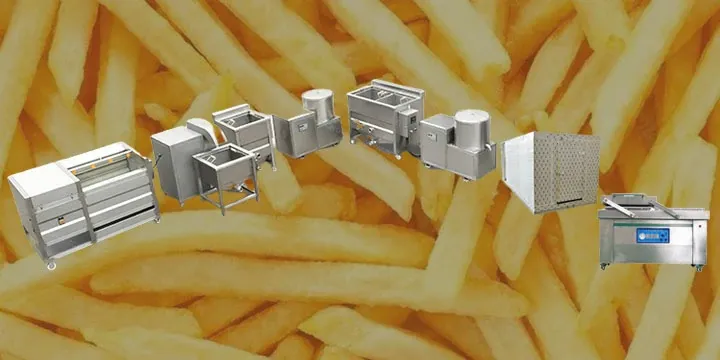
1. Manual Processes Are Slowing Production
Hand-operated production requires workers to complete each step individually:
-
Peeling
-
Slicing
-
Frying
-
Packaging
This limits output capacity. When demand increases or a new contract arrives, production quickly becomes overwhelmed.
Why automation helps
-
Continuous processing flow
-
Higher throughput
-
Lower per-unit production cost
Manual production may work temporarily, but it rarely supports long-term growth.
2. Excessive Product Waste and Low Yield
Hand peeling often removes too much potato flesh along with the skin, reducing usable product.
Automated peelers optimize removal depth, helping manufacturers:
-
Increase raw material yield
-
Reduce waste cost
-
Maintain consistent output
Machines also maintain constant performance — they don’t slow down at the end of a shift.
3. Labor Shortages and Training Costs
Food processors worldwide face labor challenges:
-
Worker shortages
-
High turnover
-
Long training periods
New operators may take months to reach full efficiency, and accidents increase with inexperienced staff.
Automation advantages
-
Stable production regardless of staffing
-
Reduced dependency on skilled manual labor
-
Lower training costs
Automated systems also eliminate issues like absenteeism and fatigue.
4. Inconsistent Chip Quality
Manual operations introduce variability in:
-
Slice thickness
-
Fry time
-
Oil absorption
-
Product appearance
One major issue is oil uptake, which directly depends on slicing accuracy and pretreatment consistency.
Poor consistency leads to:
-
Customer complaints
-
Reduced repeat purchases
-
Brand reputation damage
Automation ensures uniform processing parameters, producing chips that look and taste the same in every bag.
5. Frequent Downtime and Stoppages
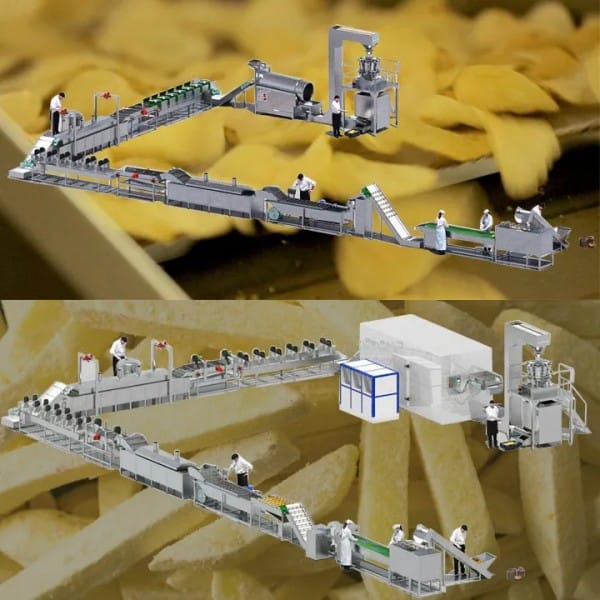
Manual lines often stop because of:
-
Worker breaks
-
Equipment strain
-
Cleaning difficulties
Automated equipment is designed for:
-
Continuous operation
-
Faster sanitation
-
Planned maintenance cycles
This significantly increases overall equipment effectiveness (OEE).
6. Workplace Safety Risks
Manual chip production exposes workers to:
-
Cuts from blades
-
Burns from hot oil
-
Slips on wet floors
Even a single incident can lead to compensation claims and regulatory scrutiny.
Automation reduces human exposure to hazards and creates a safer production environment.
The Business Case: Automation ROI
Although automated equipment requires upfront capital, long-term returns come from:
-
Higher production capacity
-
Reduced labor cost
-
Less raw material waste
-
Lower downtime
-
Consistent product quality
-
Improved safety compliance
For many manufacturers, these benefits lead to a positive ROI much faster than expected.
Conclusion
If your facility struggles with slow output, labor issues, inconsistent quality, or rising costs, it’s likely time to automate your potato chip processing.
Automation transforms production from labor-dependent to system-driven — improving efficiency, safety, and profitability simultaneously. Companies that invest early gain the ability to scale reliably and compete in a rapidly growing snack market.
In short: automation isn’t just an upgrade — it’s a growth strategy.
